


If you’re scouring the internet for the best wired headphones this year, you are definitely not alone.
For the last decade, tech companies tried to convince us that the headphone jack was dead. We were told cables were a relic of the past, and we were pushed towards Bluetooth earbuds and wireless over-ears.
But this year, the narrative has completely changed.
Wired headphones are making a massive comeback, and it’s not just because of retro nostalgia. People are waking up to a simple truth: if you care about audio quality, Bluetooth cannot compete with a physical cable.
I’ve spent years testing audio gear. So in this guide, I’m taking a closer look at why wired is better and the best wired headphones you can get your hands on in 2026.
The Problem With Bluetooth Audio
Before we look at the headphones, we need to talk about why wired audio is making a return.
Basically, it all comes down to how sound is transmitted.
When you listen through a wired connection, you get an analog signal sent directly from your device to the speakers. It’s a pure, uninterrupted flow of data. If you are listening to a high-resolution, lossless audio file, a wired connection delivers every detail to your ears.
Bluetooth cannot do that.
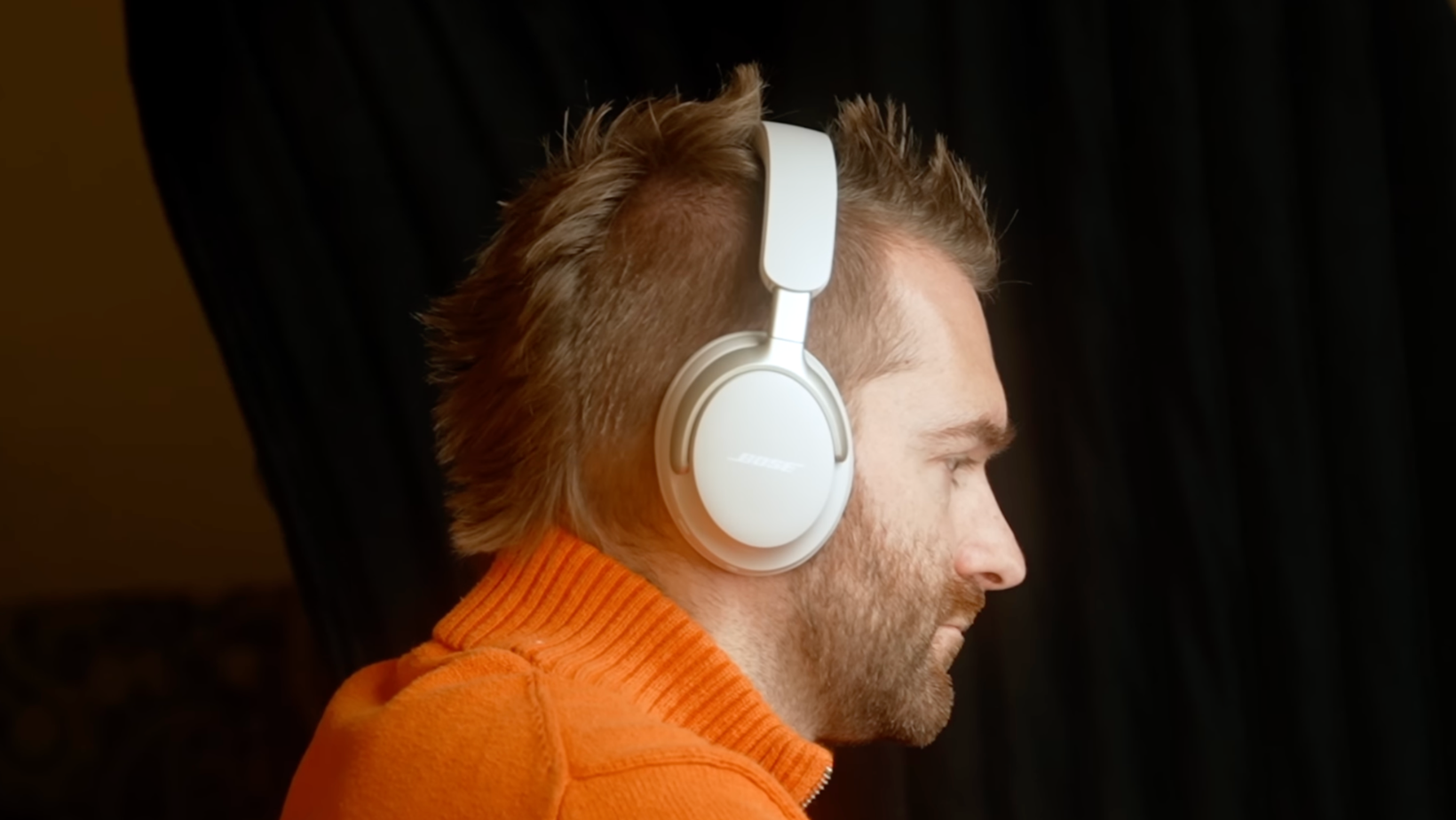
Bluetooth technology has bandwidth limitations. To send an audio file wirelessly, your phone has to compress the data, send it, and then your headphones decompress it. Even with modern codecs, you are losing data in that compression process. You are literally throwing away parts of your music for the convenience of not having a cable.
Wired headphones also eliminate latency. For example, if you’re editing a video or playing competitive games, the slight delay introduced by Bluetooth is infuriating. With a cable, the sound hits your ears the exact millisecond it happens on screen. Add in the fact that wired headphones never run out of battery, and it is easy to see why audiophiles refuse to give them up.
Open-Back vs Closed-Back: The Crucial Choice
When shopping for serious wired headphones, you’ll run into two terms: open-back and closed-back. Here’s the difference.
Closed-back headphones are what most people are used to. The outer shell of the ear cup is solid, trapping the sound inside and blocking out external noise. They are great for commuting or working in a busy office. But the trade-off is that the sound can feel trapped inside your head.
Open-back headphones have a grille or mesh on the outside of the ear cup, leaving the speaker driver exposed to the open air. This allows sound waves to expand naturally, resulting in a massive, wide soundstage. It sounds like you are sitting in a room with high-end speakers.
The catch? Open-back headphones leak sound heavily, so everyone around you will hear what you are listening to (and you will hear everything happening in the room). That means they work best for quiet, private listening at home.
Audio-Technica ATH-M50x: The Industry Standard
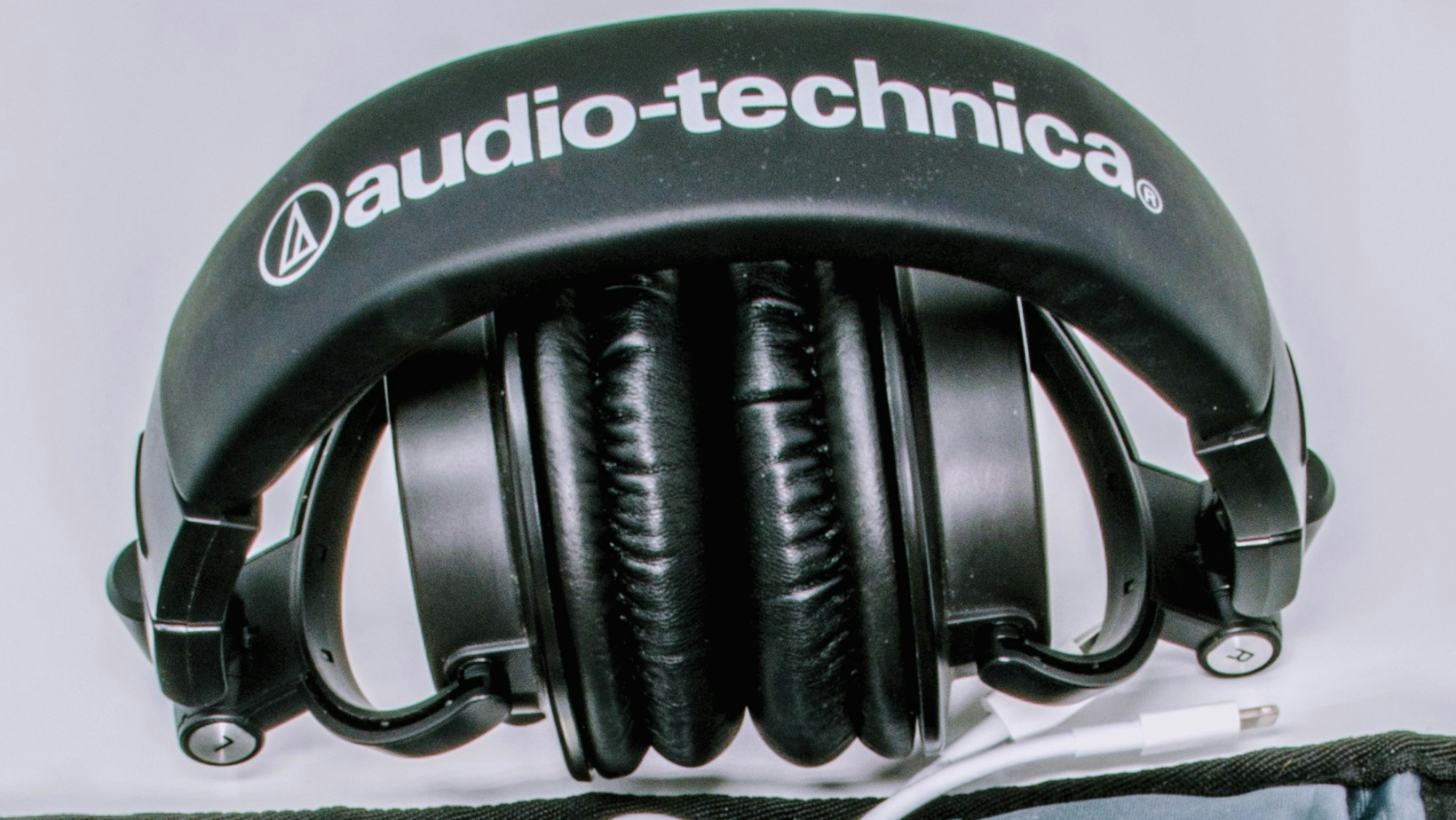
If you walk into almost any recording studio or podcast booth in the world, you will see a pair of Audio-Technica ATH-M50x headphones.
Priced around $177, these closed-back headphones have been the default recommendation for audio professionals for years. They are built entirely from thick, durable plastic designed to survive being thrown into backpacks and dropped on studio floors.
The sound profile is what makes them so popular. They are not perfectly flat. Instead, they have a slight boost in the low-end bass and the high-end treble. This makes them incredibly fun and engaging to listen to, while still retaining enough detail for critical monitoring.
If you want a proven, reliable workhorse that sounds great across all genres of music, the ATH-M50x is hard to beat.
Sennheiser HD 560S: The Best Entry to Audiophile Sound
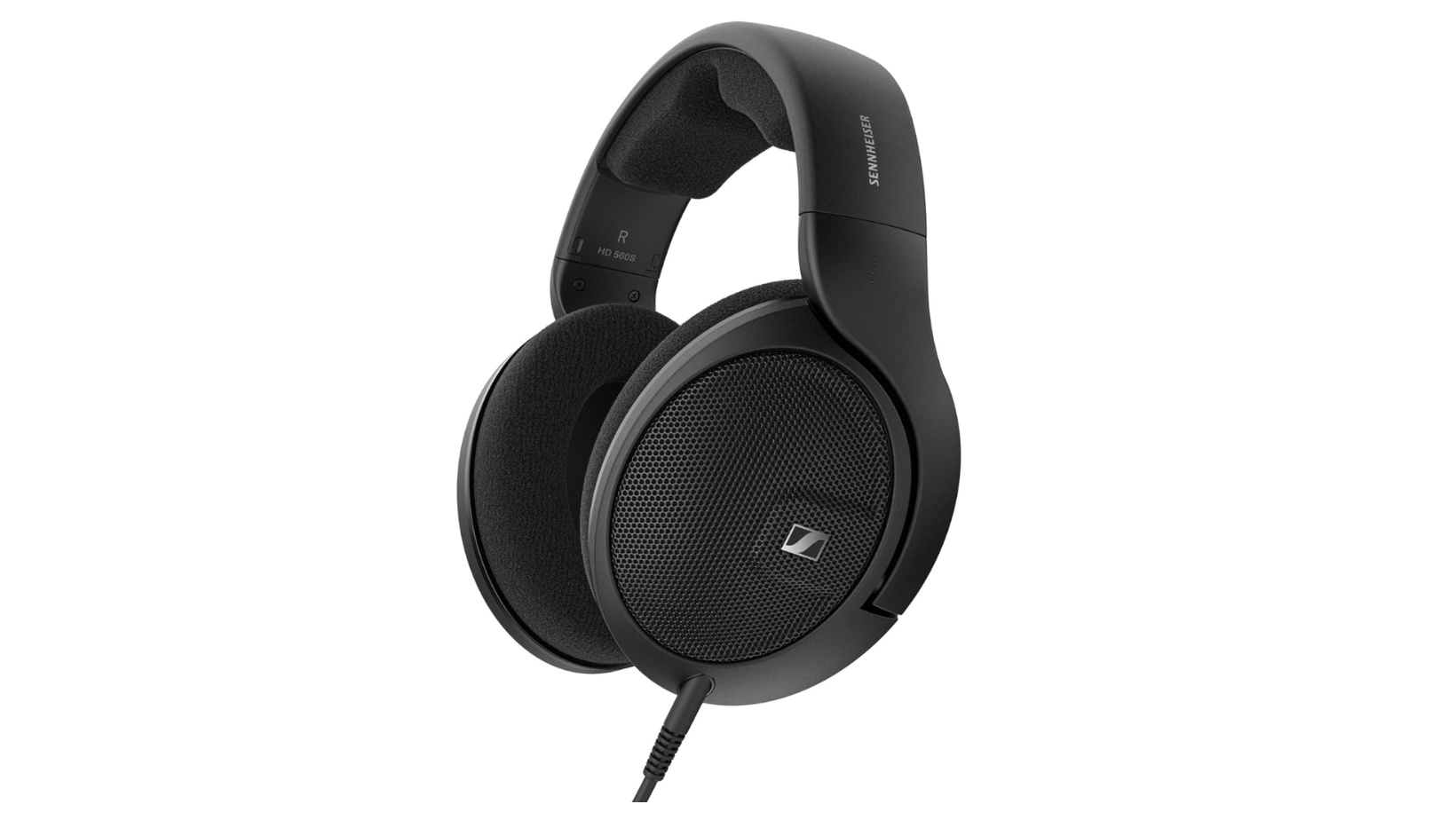
If you have a quiet room at home and want to experience the magic of open-back headphones without spending a fortune, the Sennheiser HD 560S is the place to start.
Usually priced around $200 (but you can often find them on sale for much less), these headphones offer a level of detail and clarity that completely embarrasses wireless headphones costing twice as much. And because they are open-back, the soundstage is wide and natural. You can pinpoint exactly where different instruments are placed in the mix.
Sennheiser tuned the HD 560S to be highly analytical and neutral. They don’t artificially boost the bass to make things sound punchier. Instead, they present the music exactly as it was recorded. If a track is poorly mixed, these headphones will reveal every flaw. But if you listen to a beautifully mastered piece of music, the experience is breathtaking.
Beyerdynamic DT 770 PRO: The Comfort King
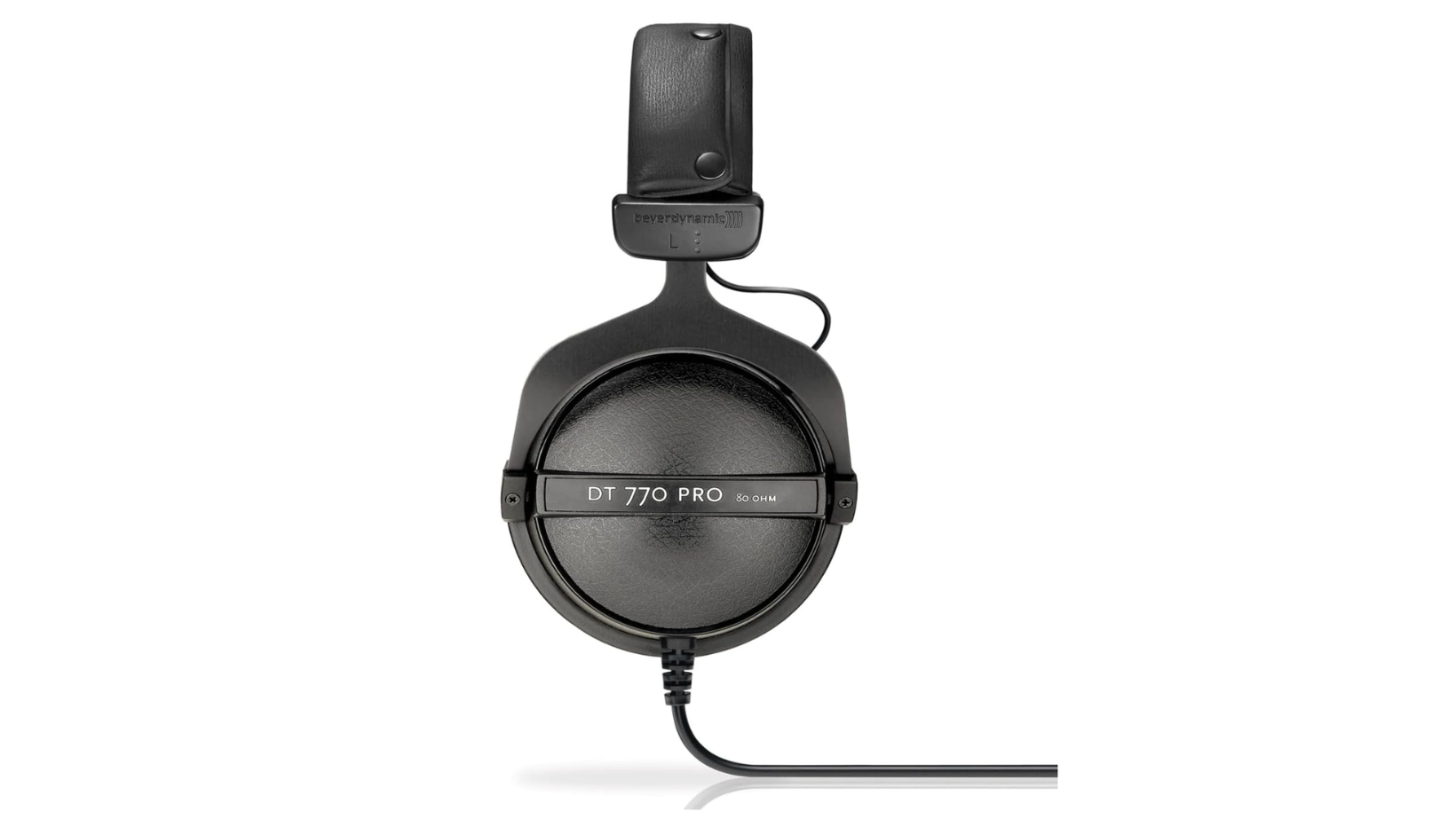
The Beyerdynamic DT 770 PRO is another legendary studio headphone, but it takes a very different approach.
Priced at around $200, these are closed-back headphones handmade in Germany. These particular headphones are famous for two things: their massive, plush velour ear pads and their incredibly wide soundstage for a closed-back design.
When you put the DT 770 PROs on, it feels like your head is being hugged by two soft pillows. They are arguably the most comfortable closed-back headphones on the market, making them perfect for all-day wear at a desk.
The sound signature is also distinct. They have a very pronounced sub-bass response that gives electronic and hip-hop music a wonderful physical thump, combined with highly detailed treble. It really is a dynamic, exciting sound that brings music to life.
The original DT 770 PRO comes with a fixed, non-detachable cable, which is a slight annoyance in 2026. However, Beyerdynamic also offers the DT 770 PRO X at around $230, which adds a detachable mini-XLR cable and uses the newer STELLAR.45 driver.
If you’re the kind of person who wears headphones for hours on end, comfort alone might be enough to justify picking these over anything else in this price range.
Røde NTH-100: The Modern Contender
Røde is largely known for making microphones, and I’ve used (and reviewed) plenty of them over the years.

But their first entry into the headphone market, the NTH-100, is a spectacular achievement.
Priced around $149, these closed-back headphones look and feel far more premium than their price tag suggests. The build quality is exceptional, featuring a metal headband and unique Alcantara ear pads with cooling gel inside. They genuinely stay cool against your head during long sessions.
Sonically, the NTH-100s are incredibly neutral and natural. They don’t have the exaggerated bass of the Beyerdynamics or the energetic treble of the Audio-Technicas. Instead, they offer a smooth, highly detailed midrange that makes vocals and acoustic instruments sound incredibly lifelike.
If you find the treble on other studio headphones too fatiguing, the smooth, articulate sound of the Røde NTH-100 makes them a brilliant alternative.
Finding the Best Wired Headphones for You
Choosing the best wired headphones comes down to where you plan to use them and what kind of sound you prefer.
Here is my basic advice for 2026:
- If you want a fun, energetic sound and need headphones that can survive being thrown in a bag, buy the Audio-Technica ATH-M50x.
- If you have a quiet room and want to hear every single detail in your music with a massive soundstage, buy the Sennheiser HD 560S.
- If you prioritize comfort above all else and want deep, physical bass response, buy the Beyerdynamic DT 770 PRO.
- If you want a smooth, natural sound profile and premium build quality, buy the Røde NTH-100.
We gave up a lot of audio quality when we accepted the convenience of Bluetooth. Going back to a wired connection might seem like a step backwards, but the moment you plug in a proper pair of headphones and listen to a lossless track, you’ll understand exactly why the cables are making a comeback!
For more honest audio breakdowns, check out the rest of my headphone and gear guides on my YouTube channel and blog!
